Gingerbread Candy Christmas Wreath Clipart Review
As a designer who has spent countless hours digitizing and testing files for real-world production, I approach every new machine embroidery design with a mix of curiosity and caution. The holiday season is the busiest time for small shop owners and Etsy sellers, so finding assets that balance whimsical charm with technical reliability is crucial. Recently, I evaluated the Gingerbread Candy Christmas Wreath Clipa, an illustration-based asset that promises festive flair. My goal was not just to look at it on a screen, but to determine how it translates into thread, how it holds up on various textiles, and whether it truly adds value to a finished product.
First Impressions and Visual Personality
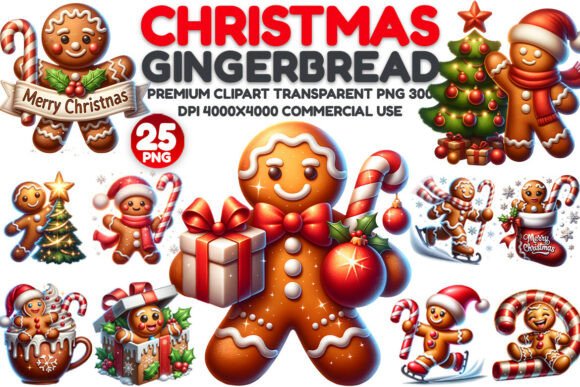
The initial appeal of this design lies in its nostalgic warmth. It captures the essence of traditional holiday baking mixed with playful confectionery elements. The layout suggests a circular wreath composition, which is inherently balanced and pleasing to the eye. For embroidery designers, this symmetry is a double-edged sword; it offers natural focal points but requires precise centering to avoid looking lopsided on curved surfaces like caps or rounded pillow covers.
The mood is cozy and inviting, making it an ideal candidate for products meant to evoke comfort. However, from a technical standpoint, illustrations often contain subtle gradients or fine lines that do not translate well into stitch work without careful digitizing. When reviewing the Gingerbread Candy Christmas Wreath Clipa, I looked closely at how the "candy" elements were rendered. Are they solid blocks of color, or do they rely on complex shading? In embroidery, simplicity often wins. If the design relies too heavily on tiny details, it risks becoming a muddy mess after washing.
Real-World Application Scenarios
To test the viability of this asset, I imagined several common production scenarios. First, consider a custom tote bag design for a holiday market. A canvas tote provides a stable, thick surface that can handle moderate stitch density. Here, the wreath could serve as a central graphic, perhaps accompanied by personalized text. The contrast between the warm gingerbread tones and the natural beige of unbleached canvas would likely create a rustic, high-end aesthetic that appeals to boutique shoppers.
Another strong use case is sweatshirt embroidery. Holiday loungewear is a massive seller. Placing this wreath on the left chest of a crewneck sweatshirt creates a subtle, professional look. However, one must be cautious with the fabric texture. Fleece and French terry have pile that can swallow small stitches. If the Gingerbread Candy Christmas Wreath Clipa includes fine running stitches or delicate outlines, they may disappear into the fabric. In such cases, using a cut-away stabilizer and possibly increasing the stitch width slightly can help the design pop.
For baby embroidery projects, such as onesies or bibs, the softness of the design is a major plus. Parents love non-traditional, sweet motifs. However, safety and comfort are paramount. Any satin stitch borders must be smooth to prevent irritation against sensitive skin. Additionally, baby items undergo frequent, rigorous washing. The stitch density must be sufficient to prevent unraveling but not so dense that it causes the garment to pucker or become stiff.
Technical Considerations and Fabric Constraints
When working with any illustration-based embroidery file, understanding the interplay between stitch types and fabric is essential. This design likely utilizes a combination of fill stitches for the gingerbread body and satin stitches for the candy accents. Satin stitches provide a shiny, smooth finish that mimics the glaze on cookies, adding visual interest. However, long satin stitches are prone to snagging. If the design features wide ribbon-like elements, ensure they are broken up with tack-down stitches or converted to step stitches for durability.
Fabric choice dramatically alters the outcome. On dark fabrics, the warm browns and reds of the wreath might lack contrast unless bright white or cream threads are used for highlights. I always recommend creating a black-and-white mockup before stitching. This helps identify areas where detail might be lost due to poor value contrast. On stretchy fabrics like jersey knits, proper stabilization is non-negotiable. Without a hoop-friendly stabilizer, the tension from the embroidery hoop can distort the wreath shape, turning a perfect circle into an oval.
Curved surfaces present another challenge. Embroidering this wreath on a cap requires careful hooping techniques. The center of the wreath must align perfectly with the cap’s center seam. Any misalignment is immediately noticeable due to the symmetrical nature of the design. Furthermore, the thickness of the cap material may require a lighter stitch density to prevent puckering around the edges.
Enhancing Product Value and Brand Consistency
For craft business owners, the right design asset can elevate a simple item into a premium product. The Gingerbread Candy Christmas Wreath Clipa has the potential to enhance brand consistency if it aligns with a shop’s aesthetic. For example, a bakery selling branded aprons could use this motif to reinforce their identity. The handmade quality of embroidery adds perceived value, allowing sellers to charge more than for printed items.
Customer trust is built on quality. A well-executed embroidery project signals professionalism. Loose threads, puckering, or misaligned designs erode that trust. Therefore, testing is critical. Before listing this design in your Etsy shop or using it for client orders, stitch it out on scrap fabric identical to your final product. Check the thread colors against your brand palette. Ensure that the stitch density does not compromise the integrity of the fabric.
Practical Designer Notes
- Test on Scrap Fabric: Always run a test stitch-out on the exact fabric type you plan to use. This reveals issues with tension, density, and color contrast.
- Check Stabilizer Compatibility: Use tear-away stabilizers for woven fabrics like cotton towels and cut-away for knits like sweatshirts to ensure longevity.
- Review Stitch Density: High-density areas can cause fabric distortion. If the design feels too stiff after stitching, consider reducing the density in your digitizing software if you have the editable file, or choose a thicker fabric.
- Verify Licensing: Before selling finished products or digital previews, confirm the license terms associated with the digital embroidery file. Ensure it allows for commercial use if you are an Etsy seller or small shop owner.
- Mockup Testing: Create printable mockups to visualize how the design looks on different product backgrounds. This helps in marketing and setting customer expectations.
In conclusion, the Gingerbread Candy Christmas Wreath Clipa offers a charming aesthetic suitable for a variety of holiday-themed projects. Its success, however, depends entirely on the executor’s attention to technical detail. By considering fabric texture, stabilizer choice, and stitch placement, designers can transform this illustration into a standout handmade product. Whether used for a personalized gift, a boutique apparel line, or a festive home decor item, this design has the potential to delight customers when handled with professional care.