Candy Pine Christmas Tree: A Designer’s Review
As someone who has spent countless hours staring at digitized files, tweaking tension settings, and watching needles dance across fabric, I have developed a keen eye for what works in the hoop and what ends up as a tangled mess of thread. When I first loaded Candy Pine - Christmas Tree Collection into my embroidery software, I wasn’t just looking for a festive motif; I was looking for versatility. In the world of Illustrations, holiday designs often fall into two traps: they are either too simplistic to command attention or so densely stitched that they ruin delicate fabrics. This collection, however, strikes a balance that is rare in seasonal machine embroidery design libraries.
First Impressions and Visual Personality
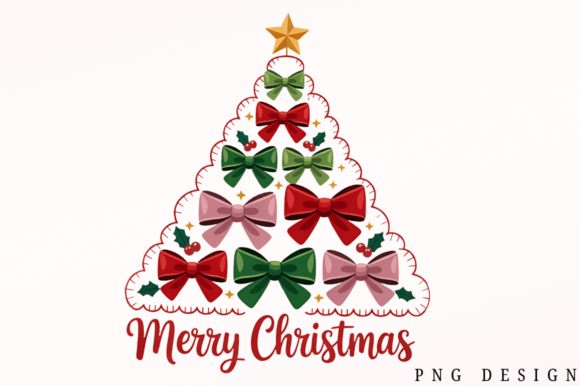
The immediate mood created by Candy Pine is whimsical yet refined. It does not scream "holiday chaos" but rather whispers "cozy winter evening." The shape and layout suggest a modern approach to traditional themes. For embroidery designers and Etsy sellers, this visual personality is crucial. Customers are increasingly drawn to designs that feel curated and boutique-ready rather than mass-produced. The detail level here is intentional. It avoids unnecessary clutter, which is a blessing when you are working with smaller hoop sizes or trying to maintain clarity on textured materials.
When evaluating a new embroidery file, I always look at how the elements interact. Does the design breathe? In this case, the spacing between the pine elements and any accompanying decorative accents allows the fabric to show through, preventing that heavy, plastic-like feel that plagues many commercial fill stitch heavy designs. This openness makes it an excellent candidate for a variety of embroidery project types, from lightweight apparel to sturdy home decor.
Real-World Application: The Tote Bag Test
To truly understand the value of a design, you have to imagine it on a finished product. Let’s consider a practical scenario: preparing a custom embroidered tote bag for a holiday market. Canvas tote bags are a staple for any craft business, but they can be tricky. The weave is loose, and if a design is too light, it gets lost; if it is too dense, the bag warps.
I visualized Candy Pine centered on a natural cotton canvas tote. The design’s structure holds up well here. The use of satin stitch borders combined with strategic fill areas provides enough coverage to look substantial without pulling the fabric out of shape. For a small shop product, this means fewer returns due to puckering and a higher perceived value. The customer sees a professional handmade product that looks like it belongs in a high-end boutique, not a discount bin.
Beyond totes, think about sweatshirt embroidery. Holiday sweatshirts are huge sellers, but the fleece texture can swallow small details. Because Candy Pine has strong, clear lines, it remains visible even on thick, plush fabrics. It would also translate beautifully to a personalized gift like a baby onesie, provided you scale it down appropriately and use a soft stabilizer to protect sensitive skin.
Navigating Fabric and Technique Challenges
While the design is robust, no digital embroidery file is universal without some adjustments. There are specific scenarios where you need to proceed with caution. If you are planning to use this on stretchy fabric, such as a jersey knit t-shirt, you must stabilize properly. The design’s weight, while moderate, can cause distortion if the fabric shifts during stitching. Always test on scrap fabric first.
Another consideration is dark fabric. If you are stitching on navy or black, ensure your thread colors have enough contrast. A muted green on a dark background might disappear. I recommend running a black and white mockup in your software to check for tonal separation before you thread up the machine. This simple step saves time and thread.
For curved surfaces like caps or hats, the layout of Candy Pine needs careful placement. The center of the design should align with the cap’s seam to avoid distortion. If the design includes tiny lettering or intricate corners, verify that your machine can handle the resolution. While this collection is generally clean, extremely small details can get lost if the needle size is too large or the tension is off.
Enhancing Brand Consistency and Value
For commercial embroidery professionals, consistency is key. Using a cohesive set of designs like the Christmas Tree Collection helps build brand recognition. When customers see a specific style of pine illustration across your apron, pillow cover, and kitchen towel listings, they begin to trust your aesthetic. This trust translates directly into buyer engagement and higher conversion rates.
The design also lends itself well to printable mockup creation. Before you even stitch a single thread, you can place the digital asset onto product photos to gauge market interest. This is invaluable for digital product sellers who want to test concepts without inventory risk. The clean lines of Candy Pine render well in digital previews, making it an attractive design asset for online portfolios.
Practical Notes for the Serious Stitcher
Before you commit to a large production run or a high-stakes client gift, keep these practical tips in mind:
- Check Stitch Density: Review the density map in your software. If certain areas are too dense for your chosen fabric, consider using an applique design technique where you layer fabric under the stitch outline to reduce bulk.
- Thread Selection: Experiment with variegated threads for the pine elements. A subtle shift from dark to light green can add depth that solid colors miss, enhancing the holiday embroidery vibe.
- Stabilizer Choice: For woven fabrics like linen or cotton, a cut-away stabilizer offers the best long-term durability, especially for items that will be washed frequently, like tote bag design projects or tea towels.
- Licensing Verification: Always confirm the license terms. Whether you are selling the finished product or using it for personal gifts, knowing your rights prevents legal issues down the road. Most reputable designers allow commercial use for physical items, but double-check before listing on Etsy or at craft fairs.
In conclusion, Candy Pine - Christmas Tree Collection is a reliable, aesthetically pleasing addition to any designer’s library. It respects the limitations of the medium while pushing the boundaries of seasonal charm. Whether you are creating a custom apparel line or a single embroidered patch for a friend, this design delivers professionalism and warmth. It is not just a pattern; it is a tool for creating memorable, high-quality handmade goods that stand out in a crowded market.